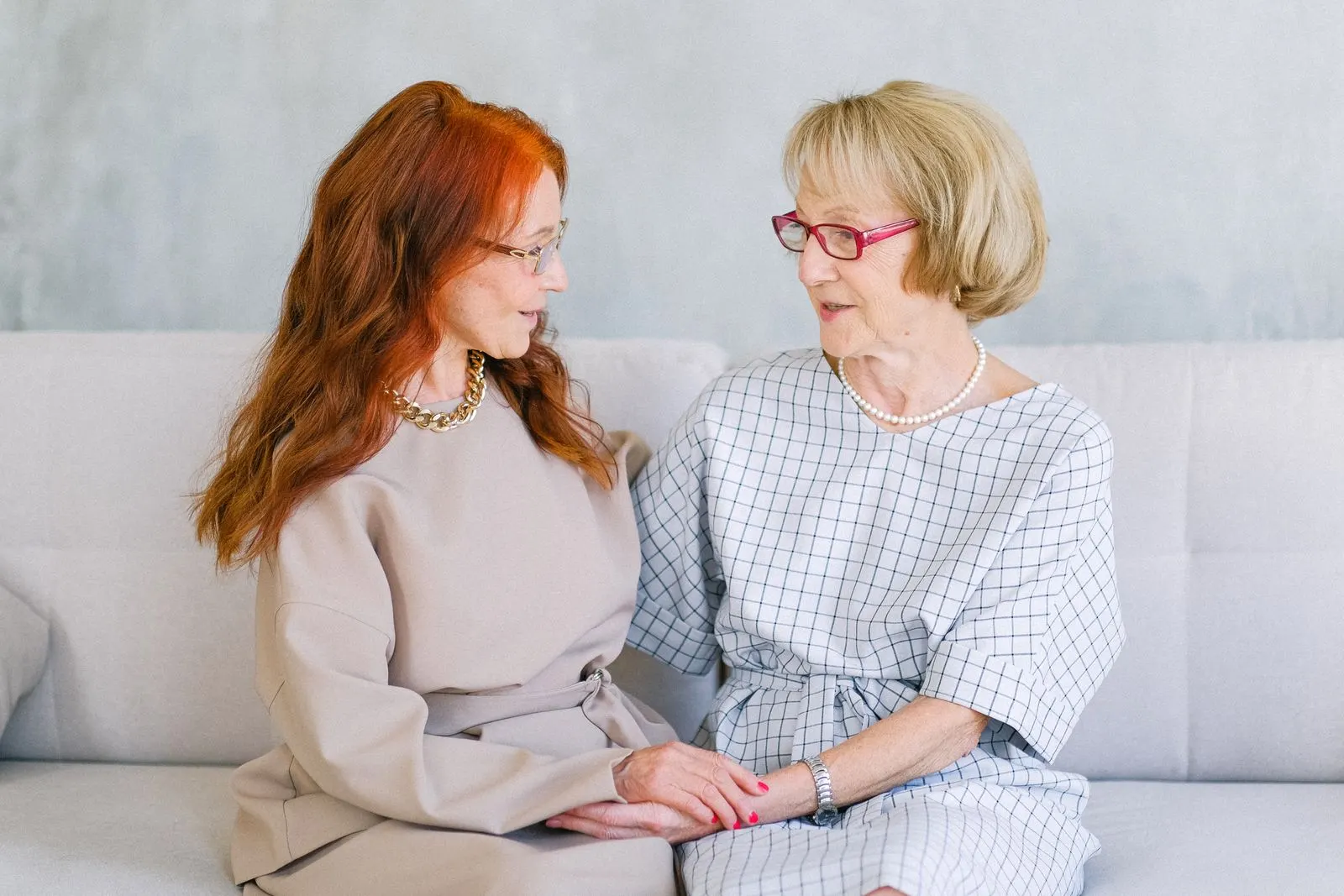
Reaching out about home care can feel like a big step. Maybe you’re worried about saying the wrong thing, or you’re not sure what kind of help your loved one needs yet. That’s completely okay. A home care assessment is simply a conversation to help everyone understand what would make daily life easier, safer, and happier.
Here’s what you can expect.
It starts with a phone call
When you first reach out, we’ll ask a few simple questions: who the care is for, what’s prompting the call, and what kind of schedule you have in mind. Then we’ll find a time for the assessment that works for you and your loved one. Family members are always welcome to join.
A friendly conversation, not a test
The assessment is relaxed and personal. We’ll want to get to know your loved one as a person, not just their needs. We’ll talk about things like:
- Daily routines. When they like to wake up, eat, rest, and go to bed.
- What’s getting harder. Bathing, dressing, cooking, housework, getting around, or remembering things.
- What matters most. Favorite foods, hobbies, faith, music, and the little things that make a day feel good.
- Health basics. Any conditions, recent hospital stays, or changes their doctors have mentioned, so we can plan safe, appropriate support.
- Family and schedule. Who else helps, and when extra support would make the biggest difference.
A look around the home
If the assessment happens at home, we may take a gentle look around for things that affect safety and comfort, like stairs, loose rugs, bathroom setup, and lighting. We’ll share any simple ideas that could help.
Talking through payment
We’ll go over costs and payment options openly, so there are no surprises. We accept private pay, long-term care insurance, VA benefits, and MassHealth (Medicaid), and we’re happy to answer questions about how each one works.
Building the care plan
After the assessment, we’ll put together a care plan built around your loved one: the type of care, the days and hours, and the goals that matter to your family. You’ll have a chance to review it, ask questions, and make changes before anything begins. There’s no pressure and no obligation.
How to get ready
You don’t need to prepare much, but a few things can help:
- A list of current medications and doctors
- Any insurance policies or benefit information
- Notes on what you’ve noticed lately and what worries you most
- Your questions, big or small
Most importantly, include your loved one in the conversation as much as possible. Care works best when they feel heard and respected.
The first step toward peace of mind
An assessment doesn’t commit you to anything. It’s a chance to get clear answers and feel more confident about what comes next. When you’re ready, contact us for a free assessment. We’d be honored to help.